Styles of Ancient Chinese Ear Accessories
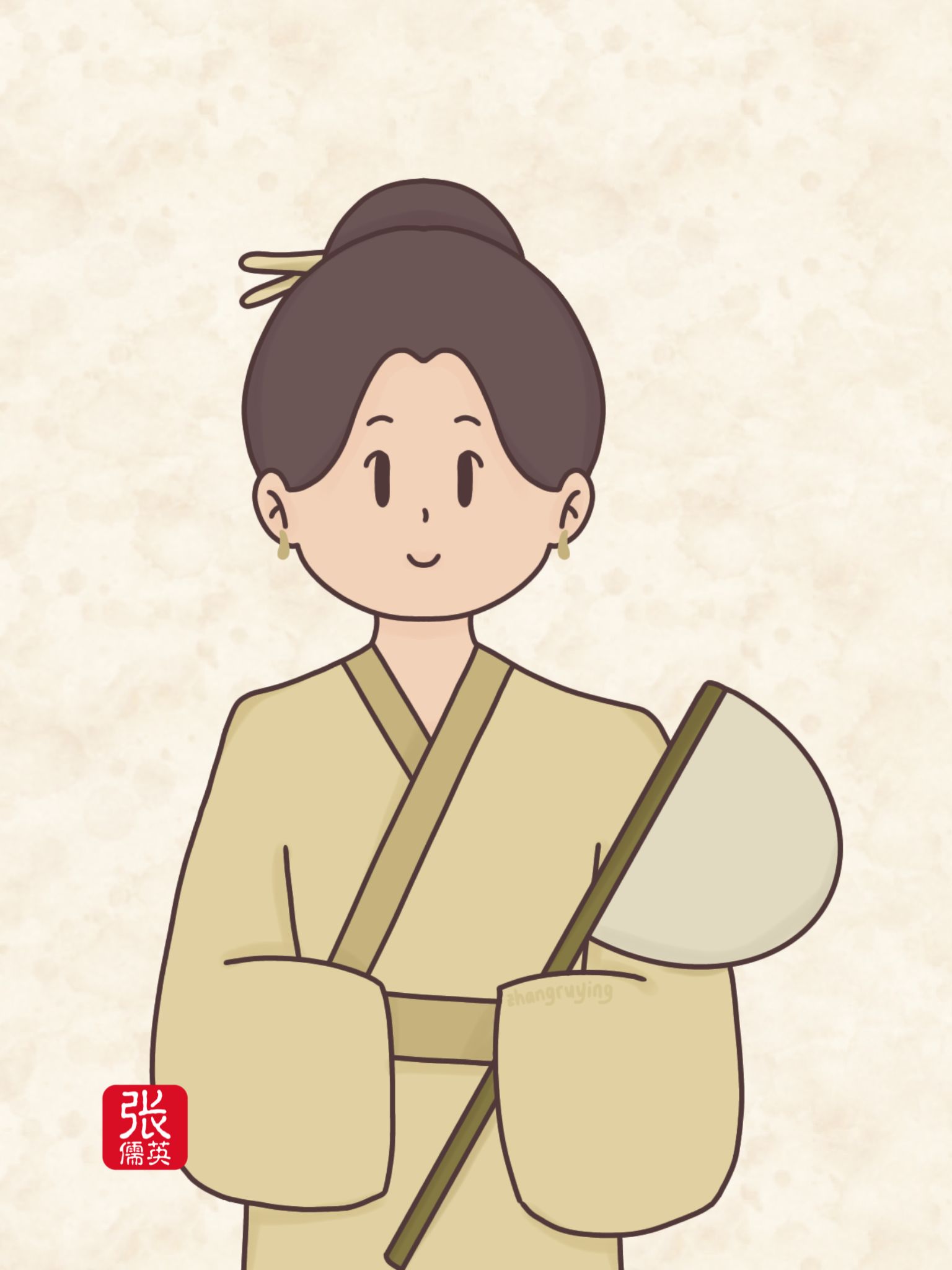
In ancient China, there were many types of ear accessories for women. Some were circular with an opening, some were cylindrical with flared ends like a funnel, and there were dangling earrings that developed from circular earrings.
The development of these ear accessories also reflected the many feudal constraints placed on women at the time. After wearing swinging earrings, women were required to maintain a graceful posture, ensuring the earrings did not sway even when walking, constantly reminding women to restrain themselves and uphold propriety.
These strict rules only eased during the Tang dynasty. In the pursuit of equality and freedom, many women refused to pierce their ears. However, this wave of freedom did not last long; upon entering the Song dynasty, everything returned to how it was before.
Yu / Er Jue (玉珏 ; yù jué / 耳玦 ; ěr jué)
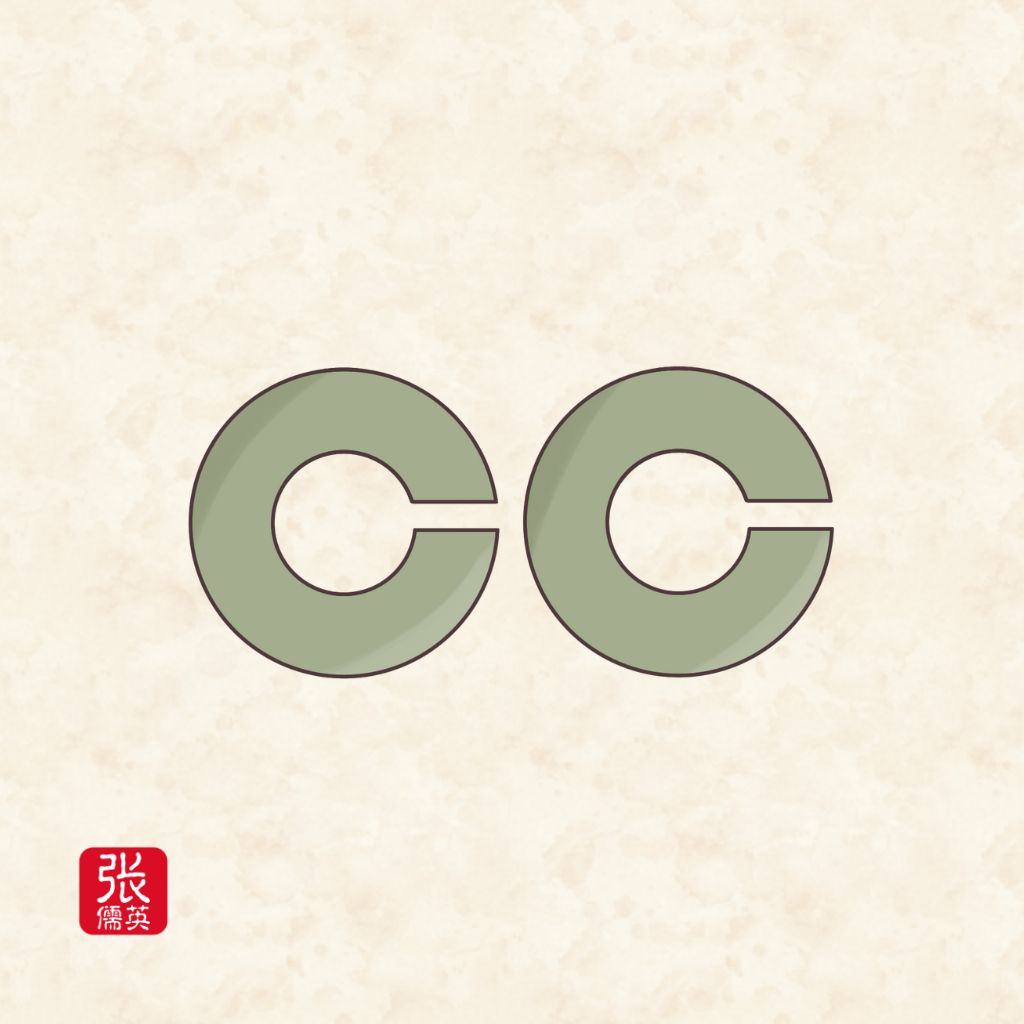
Yu / Er Jue is a jade ring-shaped ornament with an opening in ancient Chinese culture, primarily used as an ear ornament or pendant.
Er Huan (耳环 ; ěr huán)
Er Huan is an accessory worn on the ears, made of materials such as metal or jade, and shaped like a ring.
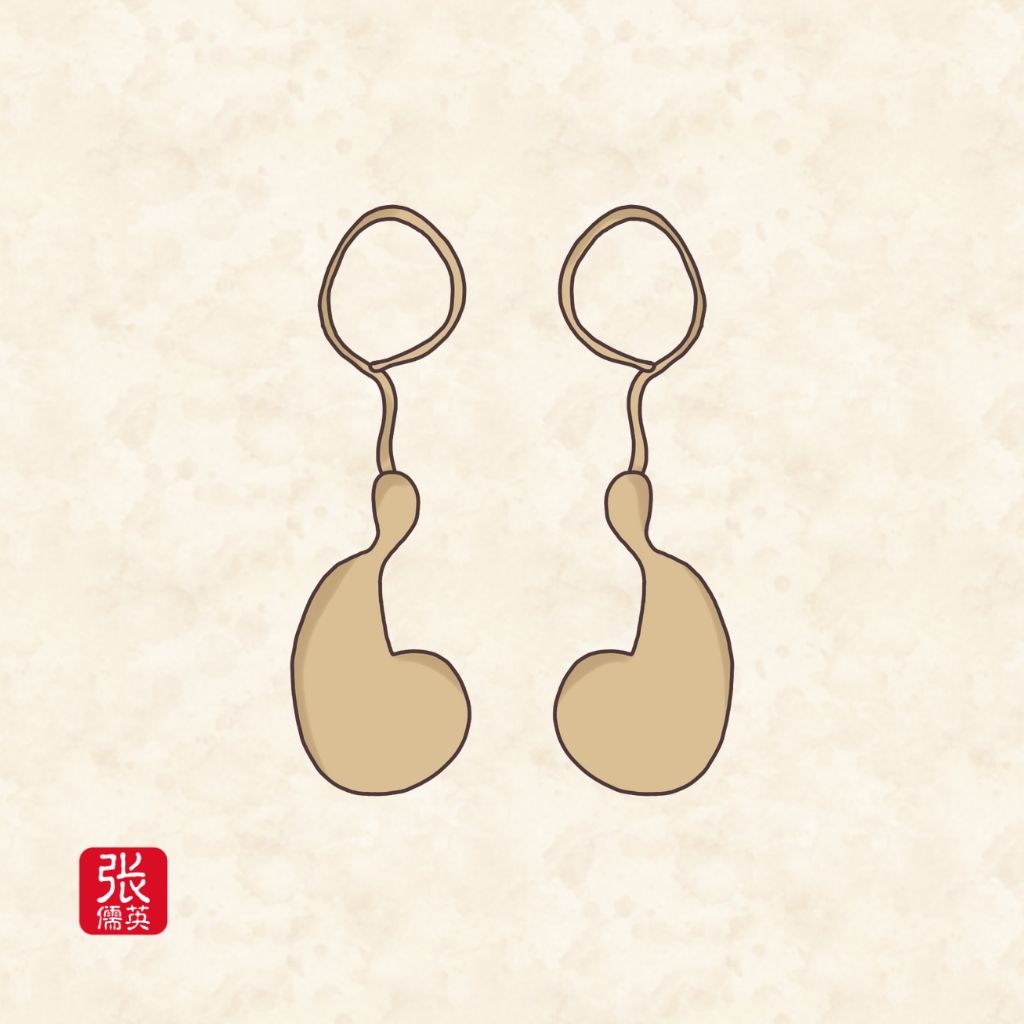
Er Zhui (耳坠 ; ěr zhuì)
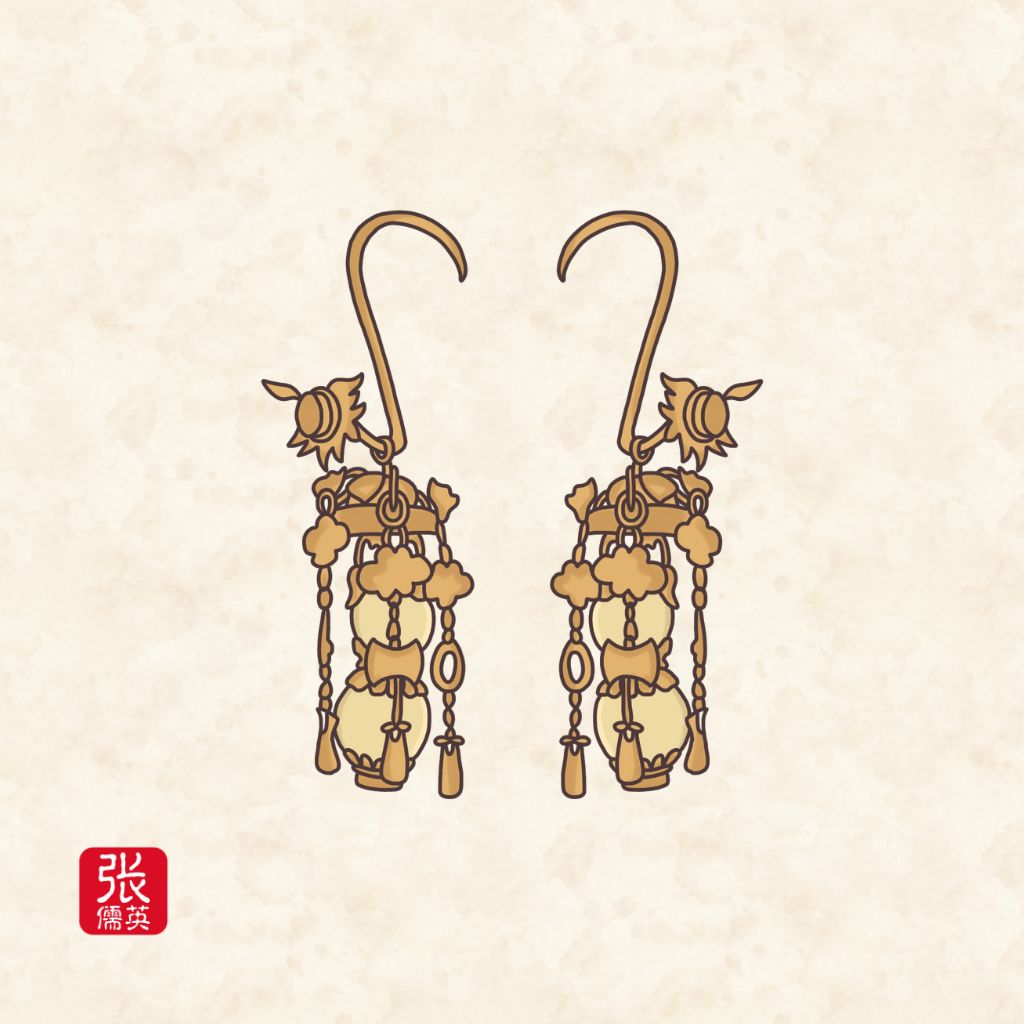
Er Zhui developed from Er Huan, featuring hanging decorations beneath it. The materials are diverse, and the shapes vary, and it was especially popular during the Ming and Qing dynasties.
Er Dang (耳珰 ; ěr dāng)
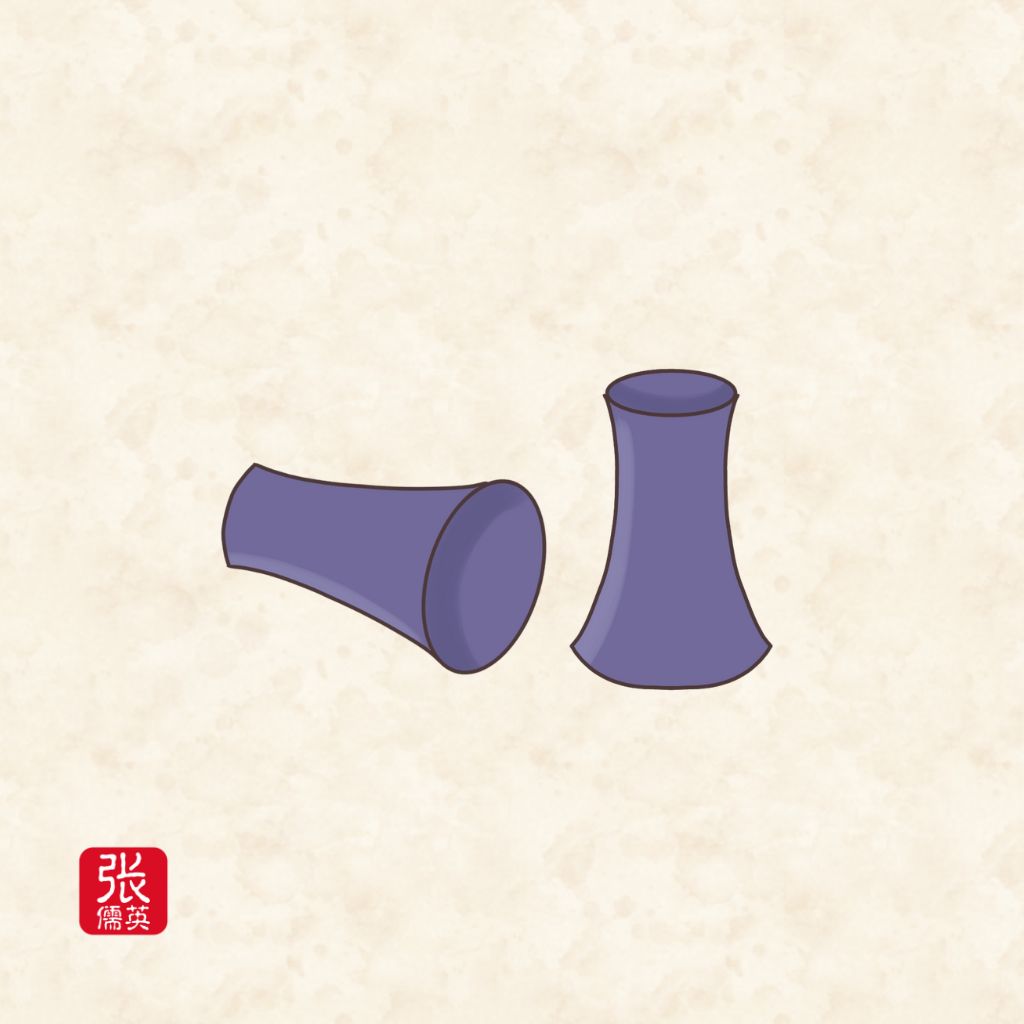
Er Dang is an ear ornament worn by ancient women, mostly shaped like small drums. Its materials include crystal, liuli, ceramics, jade, and some pieces are shaped like waist drums, with holes on both ends for threading silk strings. Ways of wearing it include inserting it directly into the ear.
Er Zhu (耳珠 ; ěr zhū)
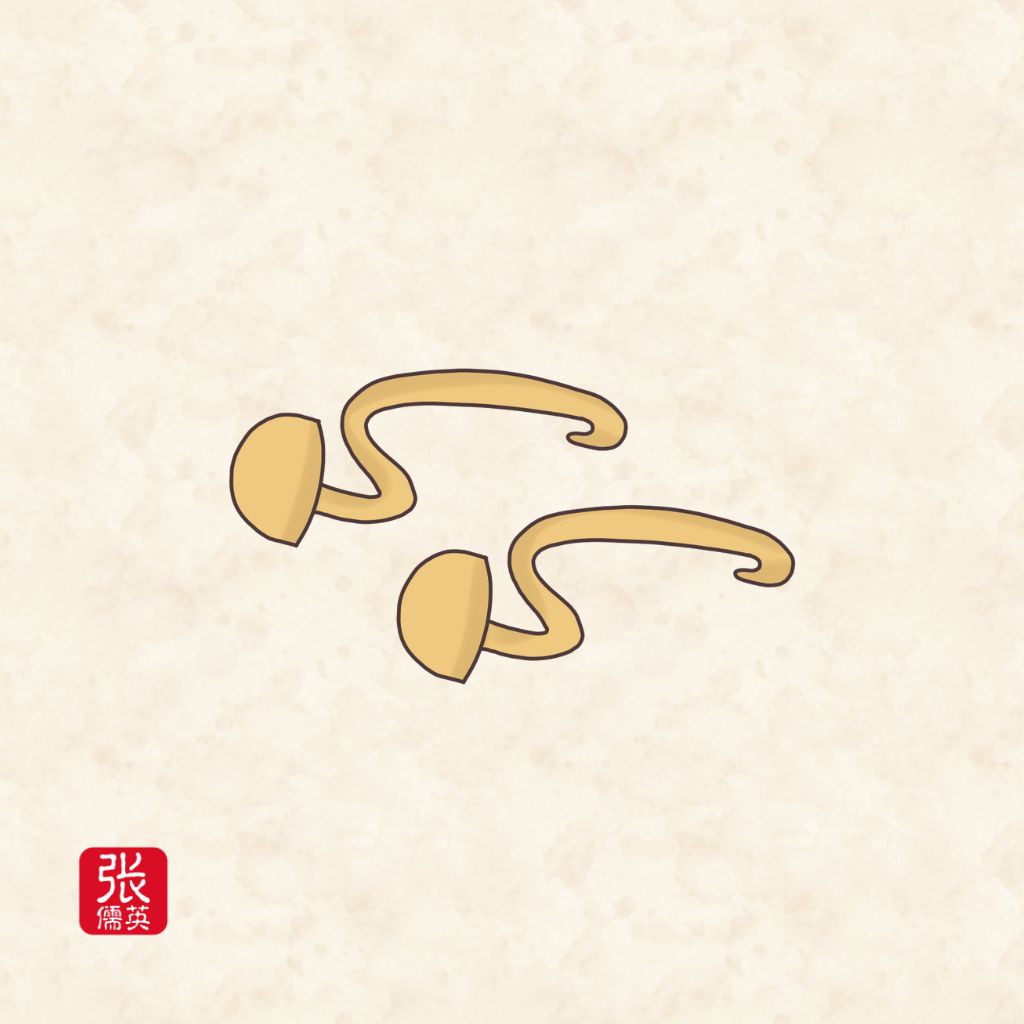
Developed from Er Dang, generally small like a bean.
Er Qian (耳钳 ; ěr qián)
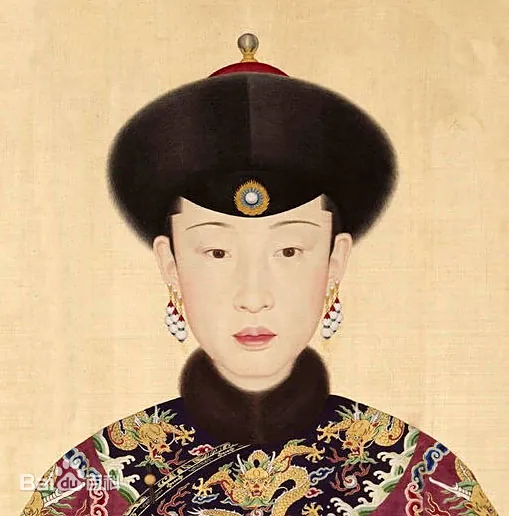
A distinctive ear accessory of Manchu women during the Qing dynasty. “一耳三钳 (yī ěr sān qián) which means one ear, three Qian, meaning one ear wears three accessories, which can be rings or dangling pieces—part of Manchu culture. This custom meant each ear was pierced three times and wore three ear accessories (“Qian 钳”). Consorts and noblewomen in the Qing court followed this rule; the wealthy used gold, silver, jade, or jadeite, while the poor used copper.
So, which style are you interested in the most?