
The Evolution of Traditional Chinese Comb (梳篦)
Did you know? In ancient times, hair care relied on two types of combs called Shu (梳 ; shū) and Bi (篦 ; bì) — the comb with wide teeth was used to tidy beautiful hair, while the comb with fine, dense teeth was used to clean dirt.
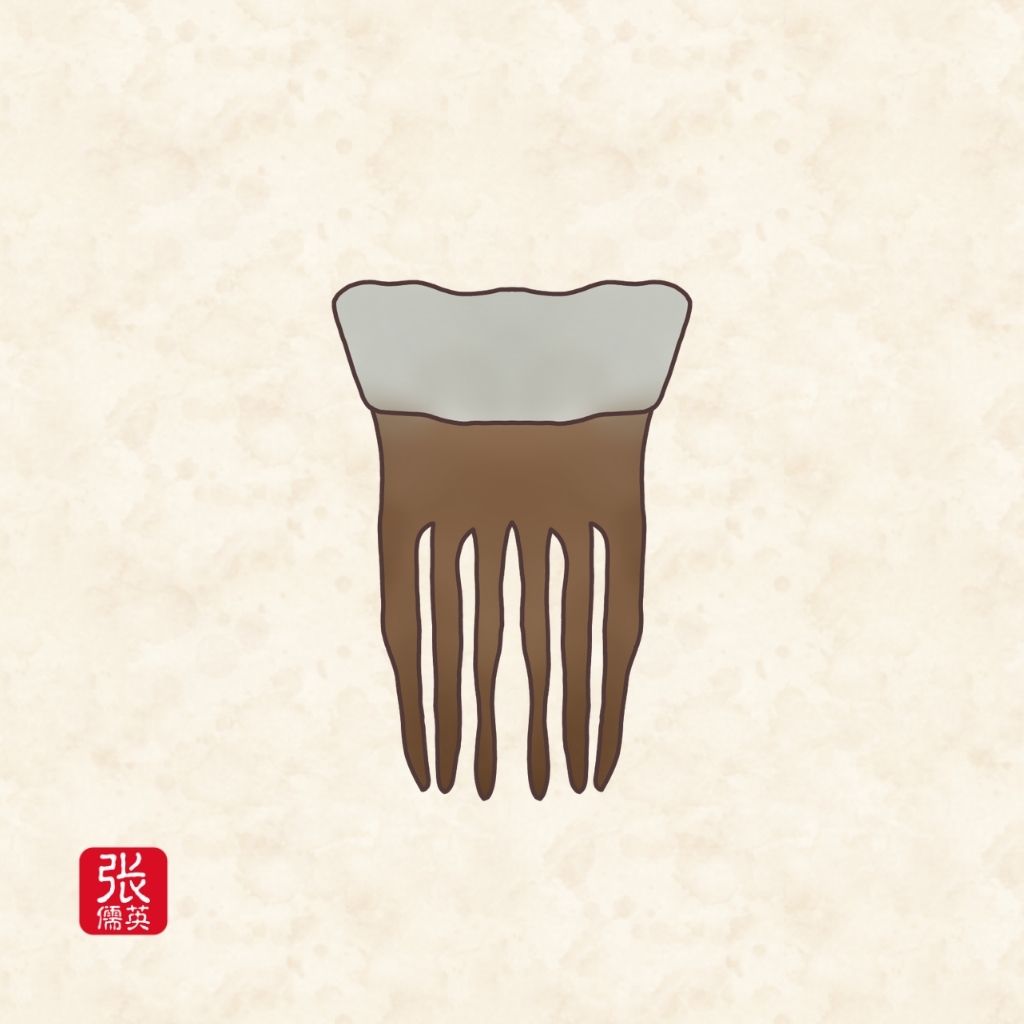
Neolithic jade comb (新石器时代玉梳篦 ; xīn shí qì shí dài yù shū bì)
The teeth of the Neolithic jade comb are relatively simple in form; the manufacturing technique is also relatively primitive, mostly using grinding and carving techniques.
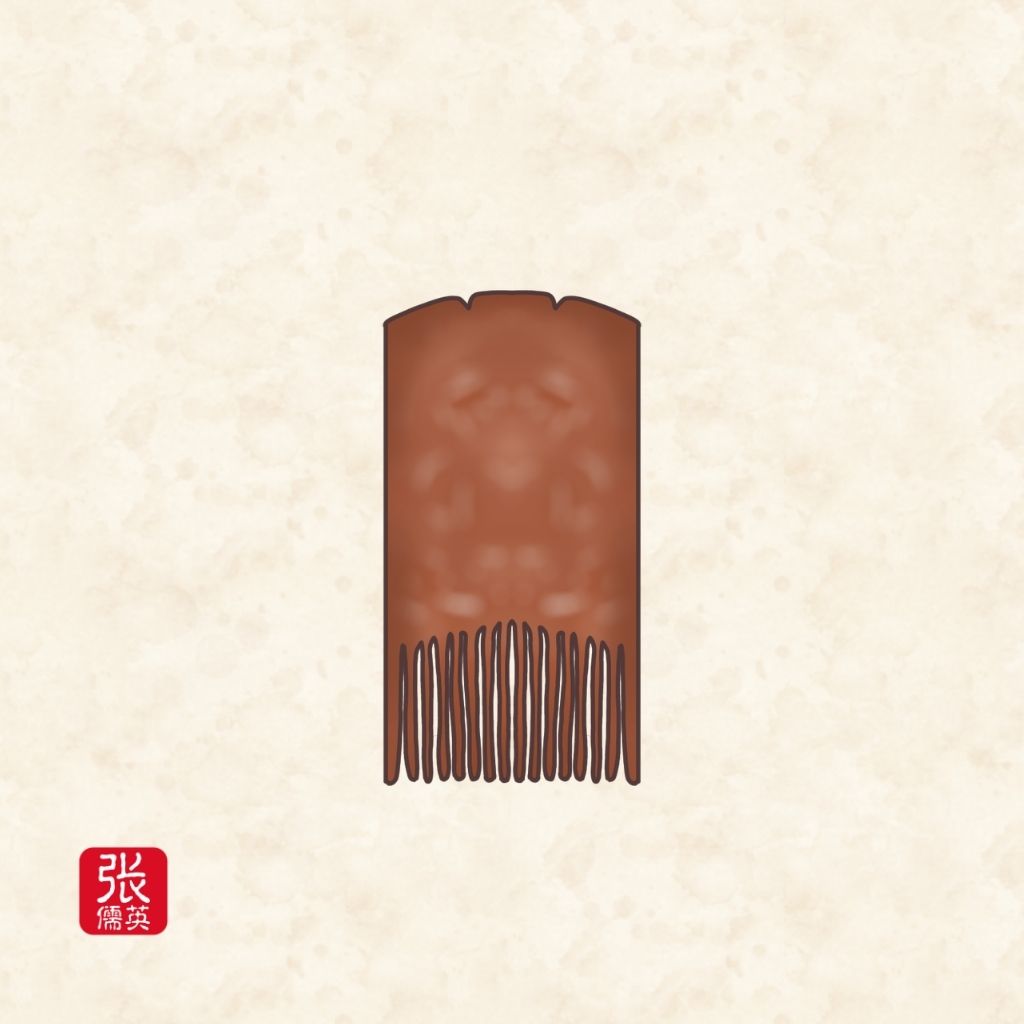
Jade comb of the Spring and Autumn period (春秋玉梳篦 ; chūn qiū yù shū bì)
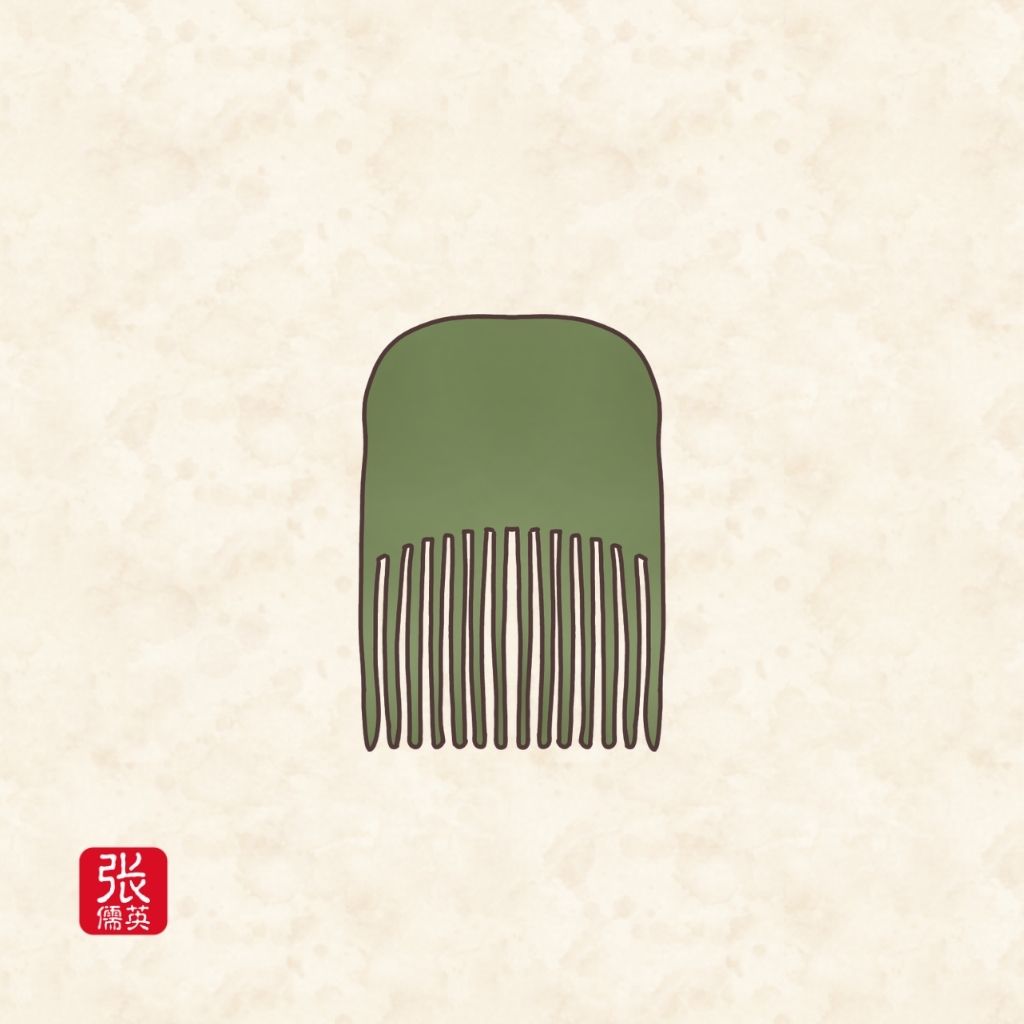
Jade combs in the Spring and Autumn period were objects exclusively owned by the aristocracy, mostly flat and rectangular in shape, with a combined comb and fine-toothed comb design, and with orderly tooth spacing.
Hetian jade comb (和田玉梳 ; hé tián yù shū)
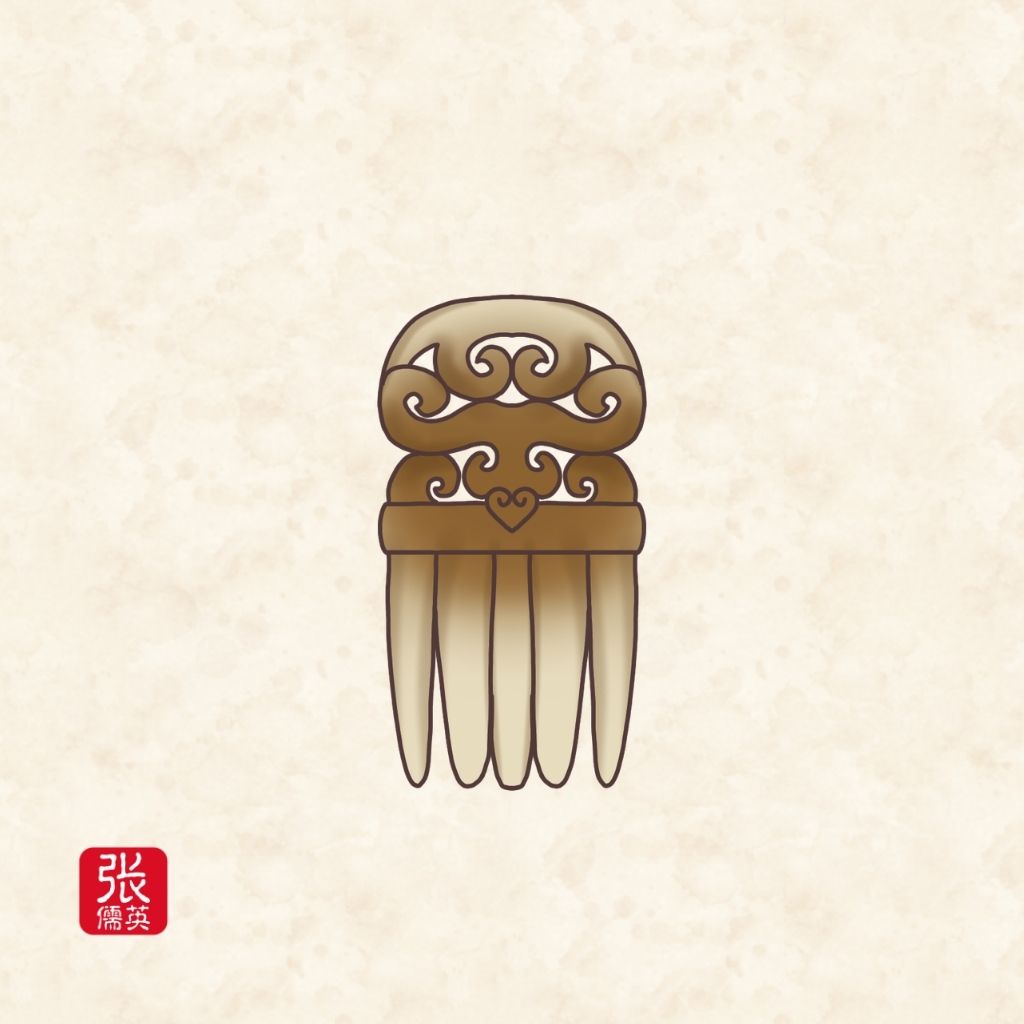
The back of the comb and its teeth form a flat rectangular shape as one piece, decorated with phoenix, dragon, and other motifs using incised line carving and the “single-slope” carving technique.
Western Han wooden comb (西汉木梳篦 ; xī hàn mù shū bì)
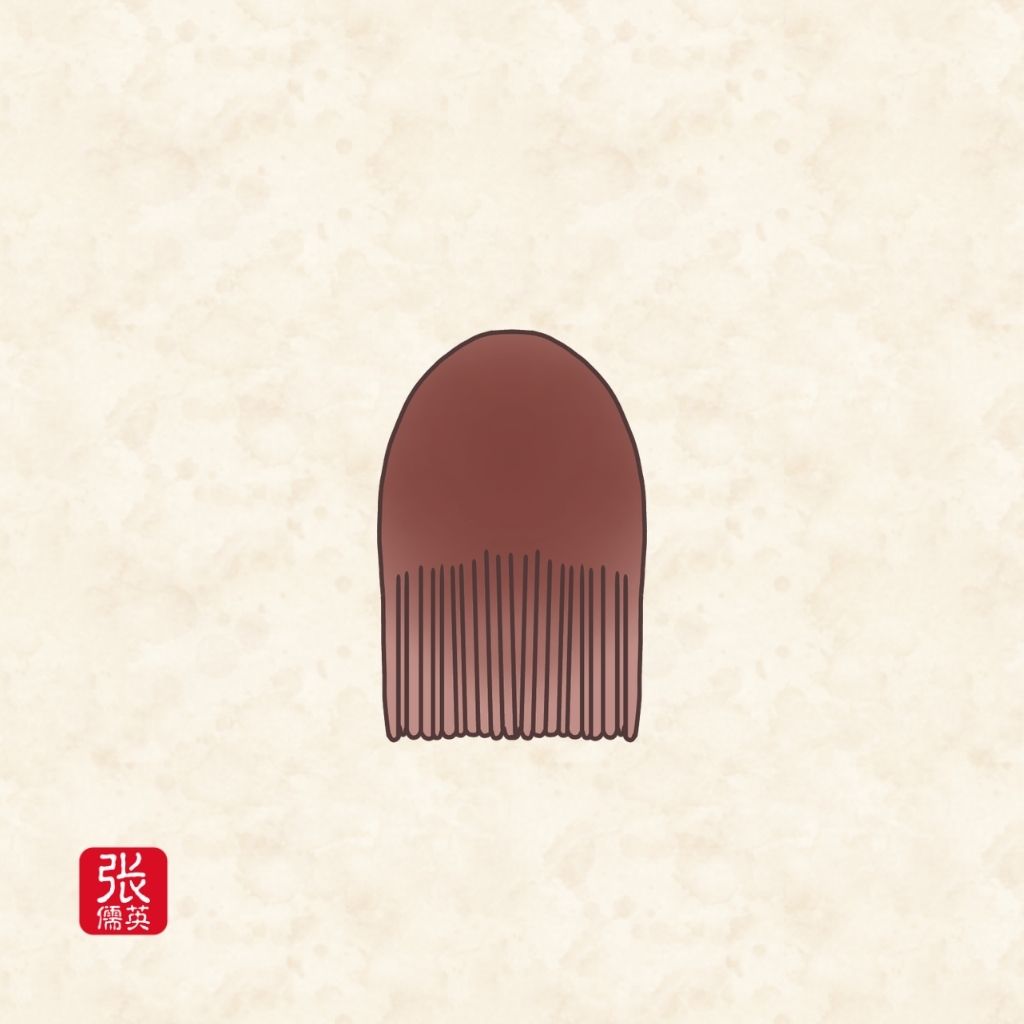
The wooden comb discovered in 1972 from Mawangdui Han Tomb No.1 in Changsha, Hunan Province, is made of boxwood with a hard texture.
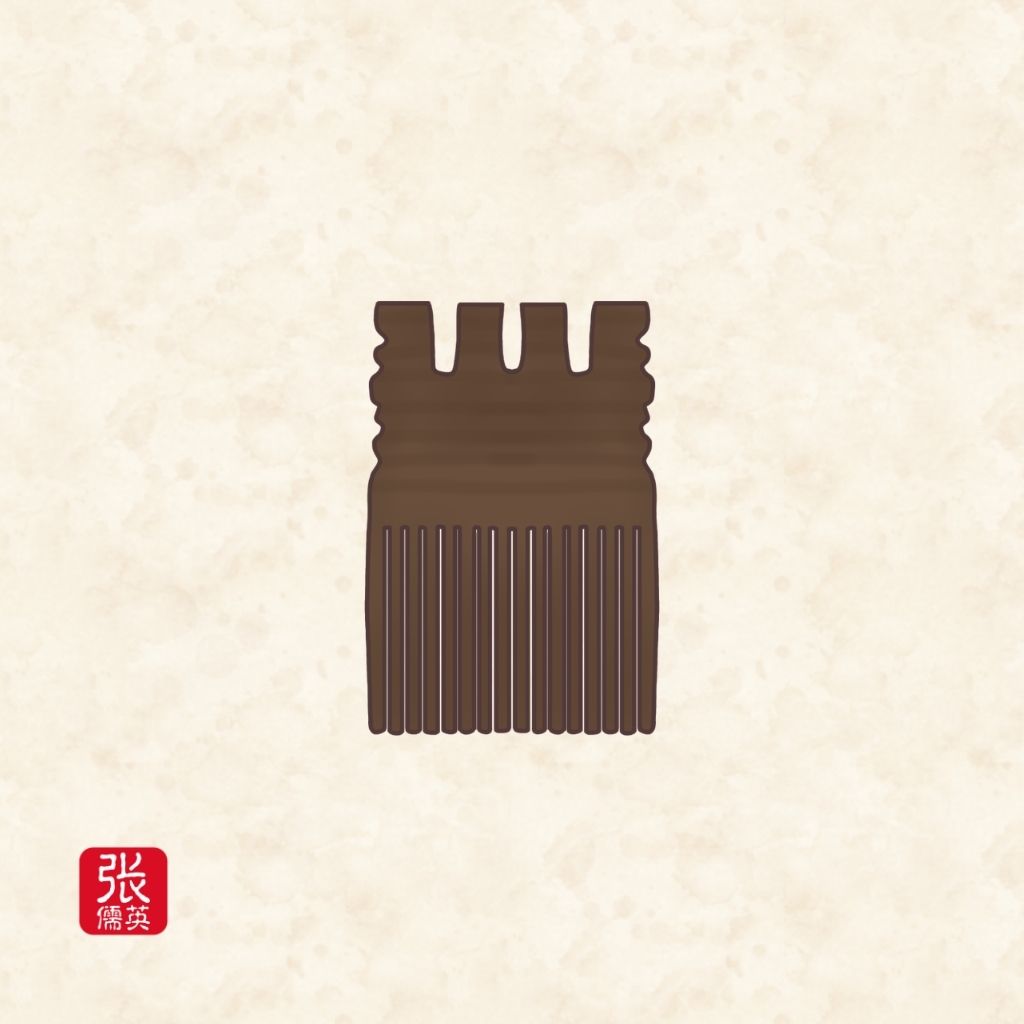
The back of the comb is straight, with four decorative knobs on top. Its overall form may still preserve the ancient comb style from before the Warring States period.
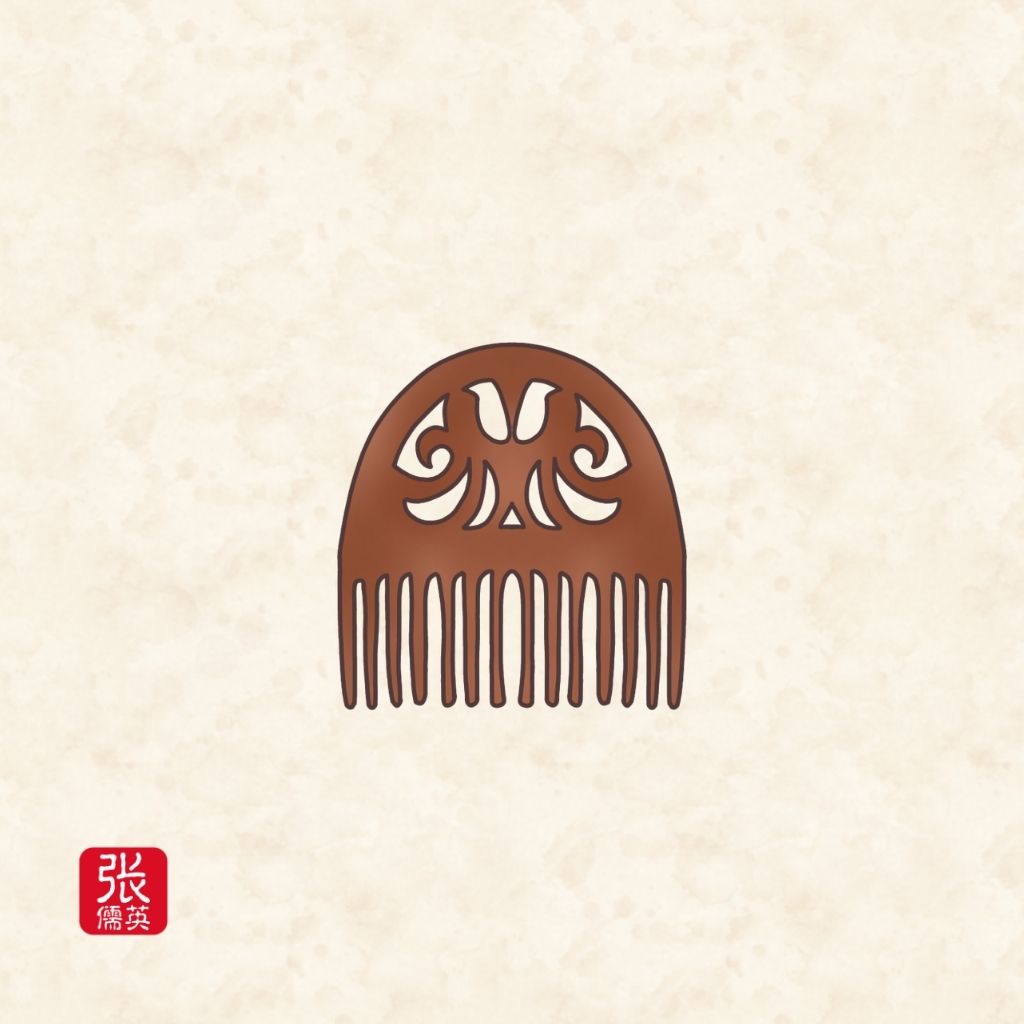
Ming dynasty wooden comb (明代木梳篦 ; míng dài mù shū bì)
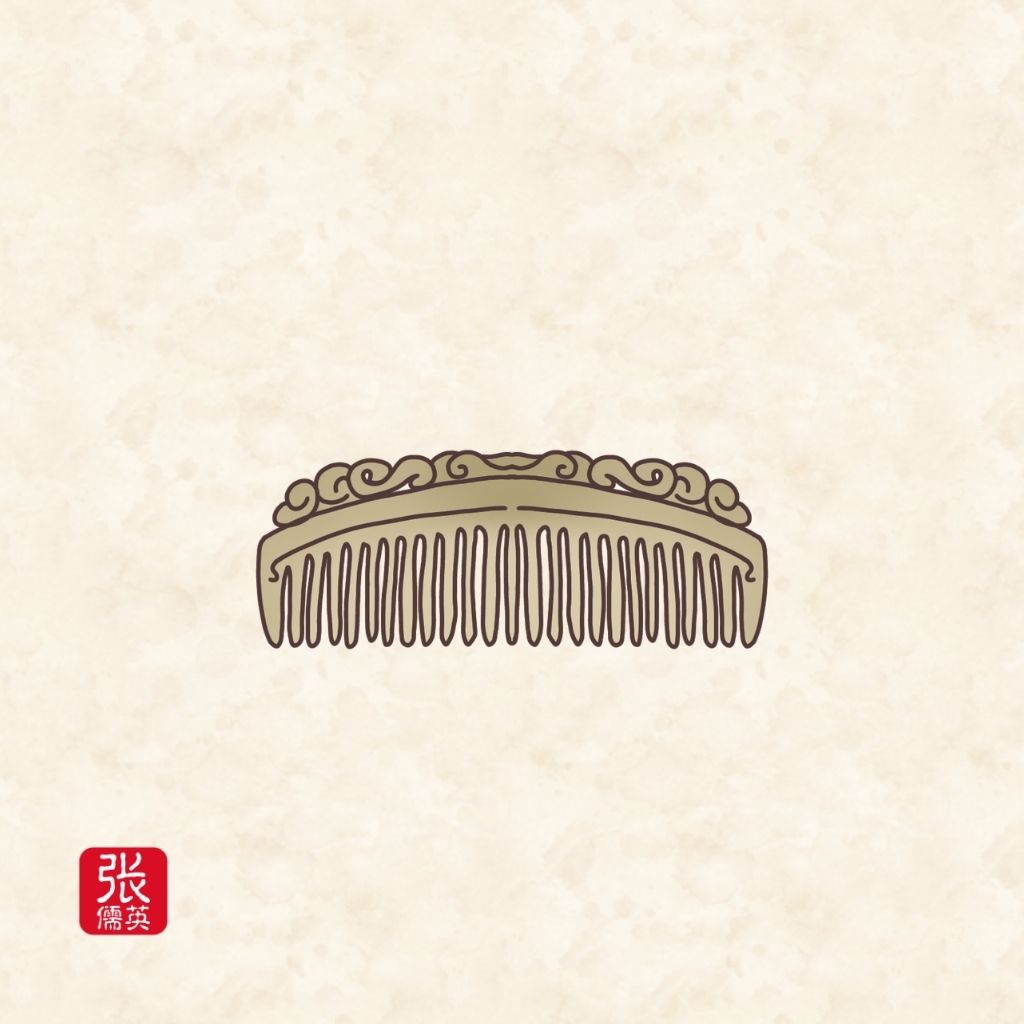
The form of wooden combs in the Ming dynasty changed. At first, most were semicircular; after the mid-period, they gradually became elongated with turning corners, and in the later period, curved tooth arrangements also appeared, usually using hard wood such as boxwood.
Qing dynasty comb (清代梳篦 ; qīng dài shū bì)
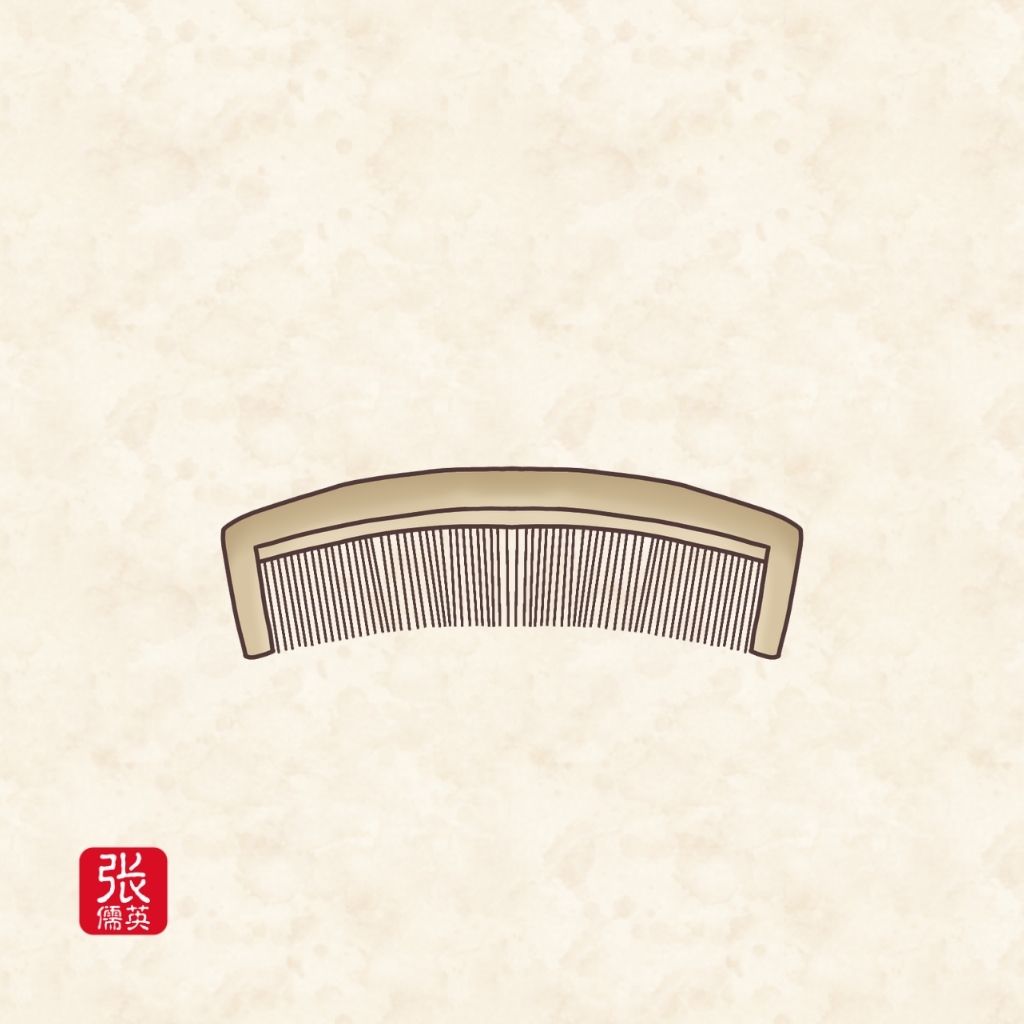
Wooden combs in the Qing dynasty continued the elongated form from the Ming dynasty, with some incorporating more rounded corner designs. In terms of craftsmanship, although traditional techniques such as carving and inlay were retained, the decorative style became increasingly refined and delicate.
Source: 知否知否古物记