Qing (青): Chinese Color That Cannot Be Translated
Did you know that English doesn’t have a word for “Qing (青 ; qīng)” color? There is no English word that can precisely translate this color.
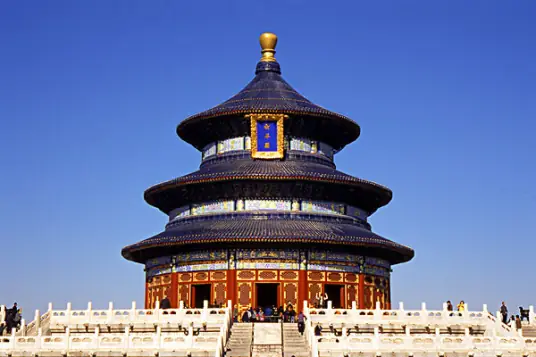
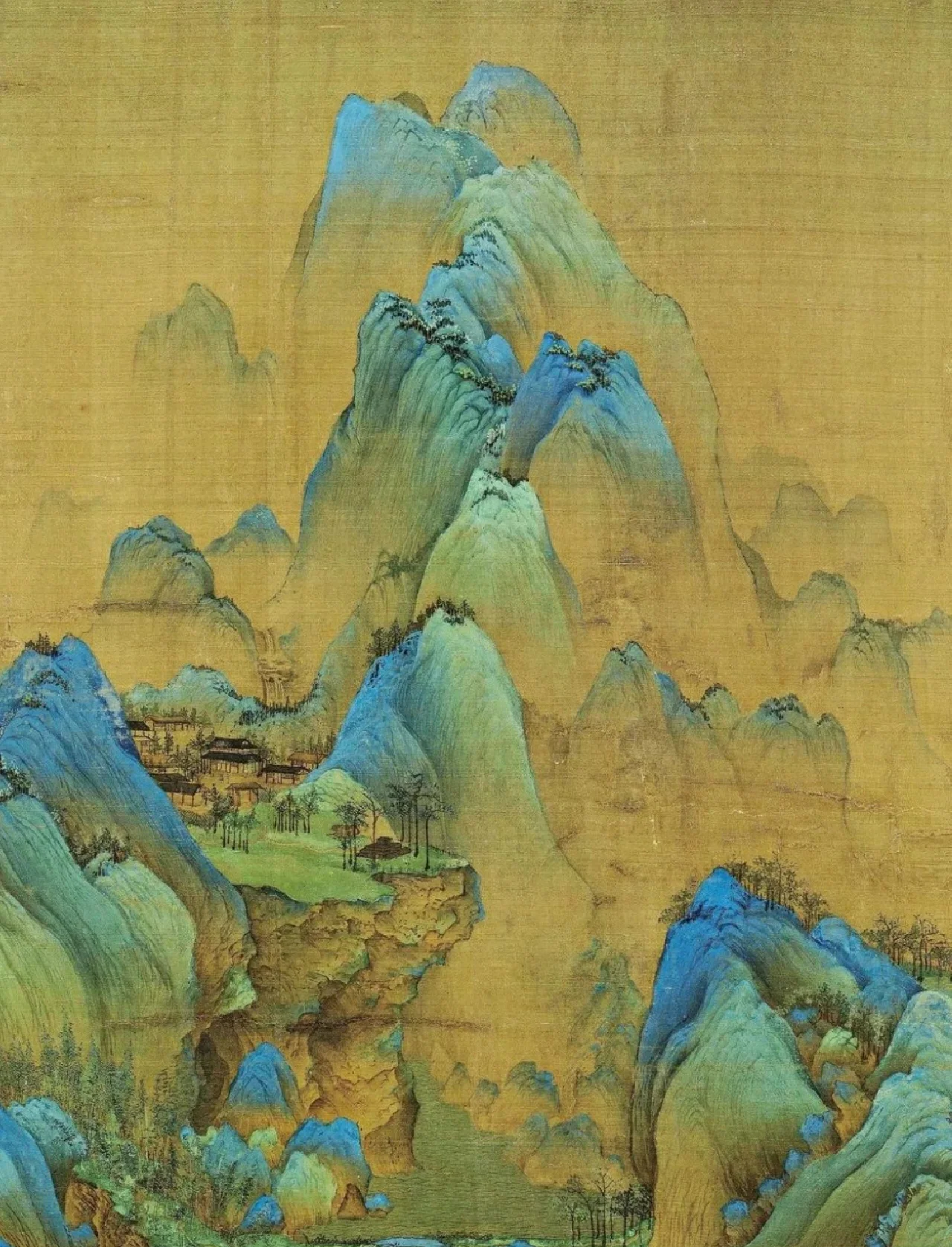
But in China, Qing can be the glazed Qing color of the roof of the Hall of Prayer for Good Harvests at the Temple of Heaven, the sky-blue color of Ru ware, the mineral blue-green shade of the mountains in《千里江山图》(Qiānlǐ jiāngshān tú), or the strand of Qingsi (青丝 ; qīng sī) color when ancient people’s hair first began to darken.
In traditional Chinese culture, the meaning of “Qing” is very broad; in ancient times, it could encompass colors such as blue, green, and black, for example, “青天” (qīng tiān, blue sky), “青草” (qīng cǎo, green grass), and “青丝” (qīng sī, black hair). The color Qing was classified by Confucianism as one of the “five primary colors”, symbolizing the east, spring, and the virtue of “Ren” (仁 ; rén), and carries profound cultural significance. It was widely used in Qing porcelain, blue-and-white porcelain, blue-green landscape painting, and traditional clothing.
Qing is a color in the visible light spectrum between green and blue, somewhat resembling the color of the sky. Modern color science defines Qing as a type of greenish blue with medium brightness and high saturation, specifically referring to one of the three complementary colors. In color printing and photography, Qing (Cyan) is one of the primary colors, a dark greenish-blue color.
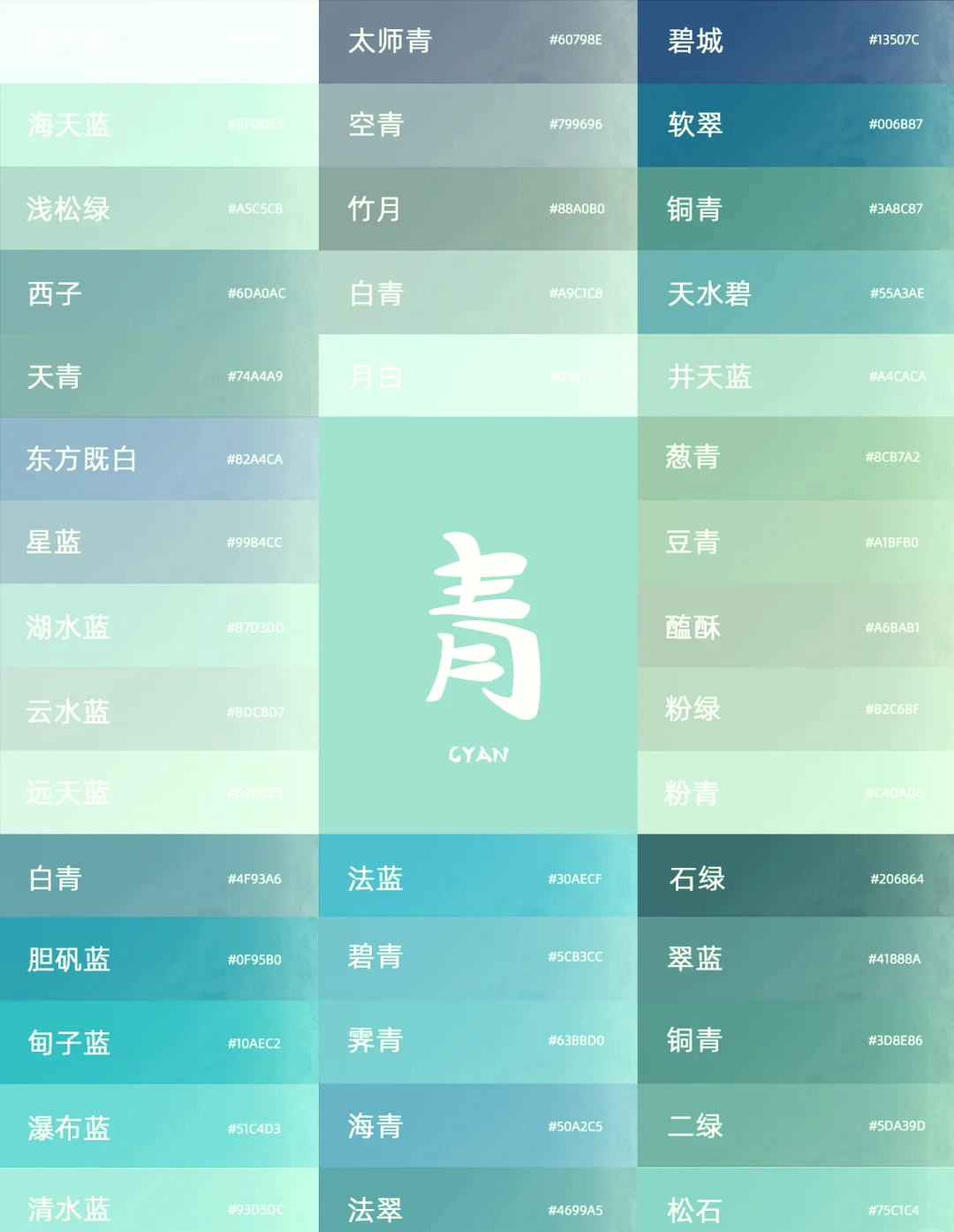
Qing is the color of spring, and in traditional Chinese culture, it is regarded as the “color of all living things”. During the pre-Qin period, Qing was classified by Confucianism as one of the five primary colors (Qing, red, yellow, white, black), and was also given the symbolic meaning of “Ren”.
The term “Qingyi” (青衣 ; qīng yī) first appeared during the Spring and Autumn and Warring States periods, referring to the clothing worn by the emperor in spring (《礼记·月令》Lǐ jì · yuè lìng). However, since the Eastern Han dynasty, Qingyi gradually came to refer to people of lower social status. During the Wei and Jin periods, the court stipulated that common people could wear green, Qing, and white. In the official clothing system, the Northern Zhou introduced “rank-color clothing”, while the Sui dynasty selected red and Qing as official colors for court attire. After the Sui dynasty, the order of official clothing colors was basically fixed as purple, crimson, Qing, and green, with Qing becoming the color for lower-ranking officials. This pattern continued until the Qing dynasty, when the Qing surpassed other colors and officially became the color of all official clothing.
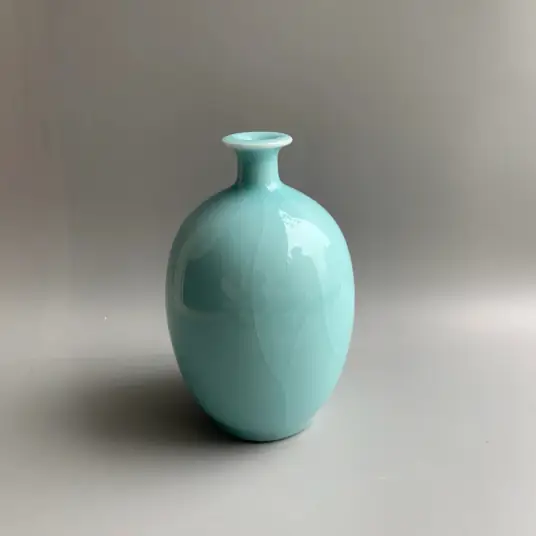
The production and use of Qing porcelain during the Wei, Jin, and Northern and Southern Dynasties marked the first peak of Qing porcelain art in Chinese history. Influenced by the metaphysical thought of the time, an aesthetic tendency of “Qing, elegant, spiritual, and refined” was formed. After the Ming dynasty, Taoism stipulated that Taoist priests’ daily clothing should be Qing in color, leading to the term “Qing-robed Taoist priest”.
“Qingsi” (青丝 ; qīng sī) originally referred to Qing-colored silk threads or ropes (as in 《乐府诗集·陌上桑》Yuèfǔ shījí · mò shàng sāng). It was not until the Tang dynasty, through Li Bai’s poetic line “朝如青丝暮成雪” (Hair black as silk in the morning, turned to snow by nightfall), that the term became commonly used to refer to black hair. “Qingjin” (青衿 ; qīng jīn) (from 《诗经》 (shī jīng) “青青子衿” (The blue-green collar of the scholar.)) and “Qingshan” (青衫 ; qīng shān) gradually became terms referring to ancient scholars or officials unsuccessful in their careers. The transformation of the cultural meaning of Qing itself is part of the history of changes within Chinese culture.
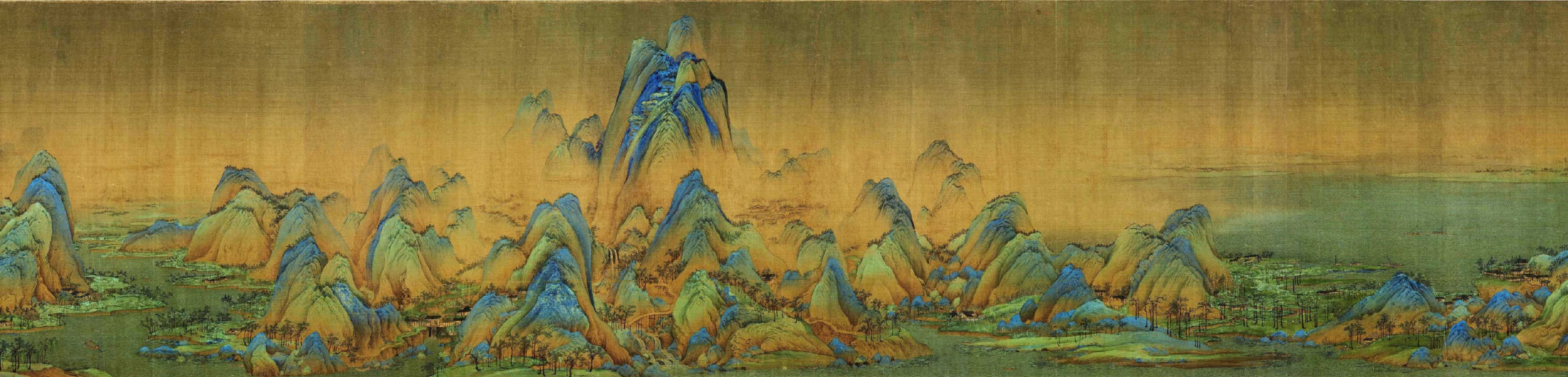
In painting, blue-green landscape painting used mineral pigments such as azurite blue (石青 ; shí qīng) and malachite green (石绿 ; shí lǜ), for example, Wang Ximeng’s《千里江山图》(Qiānlǐ jiāngshān tú) from the Northern Song dynasty. In ceramics, blue-and-white porcelain is high-temperature underglaze porcelain with blue designs on a white base; its Qing pigments include Huiqing (回青), Zheqing (浙青), Pitangqing (陂唐青), Shiqing (石青), Zhumingliao (珠明料), and Sumaliqing (苏麻离青).
In jewelry making, the Diancui (点翠 ; diǎn cuì) technique used kingfisher feathers to create ornaments; this technique existed since the Han dynasty and reached its peak during the Kangxi, Yongzheng, and Qianlong reigns of the Qing dynasty. In addition, the color Qing also appeared widely in poetic imagery, architectural glaze work, and Qing porcelain.
Perhaps that is why “Qing” can never be translated by a single English word. It is not only a color, but also a feeling, a philosophy, and a part of how Chinese culture understands nature, time, beauty, and life itself. Somewhere between blue and green, Qing quietly carries thousands of years of Chinese aesthetics and memory.